Grip Like a Pro: Unlocking the Science of Aerial Strength
Why Grip Strength Matters in Aerial Arts
Grip strength is the foundation of every aerialist’s journey. Whether you're holding a static pose, transitioning through dynamic sequences, or simply hanging in the air, your grip is the bridge between your body and the apparatus. But grip strength isn’t just about holding on, it’s about control, endurance, and injury prevention.
Think of your grip as the anchor for your movement. Without it, even the simplest skills become challenging, and more advanced moves feel nearly impossible. Studies have shown that grip strength is not only a marker of physical performance but also a predictor of overall muscular endurance and injury resilience (Haff & Triplett, 2015).

The Anatomy of Grip Strength
To build a solid grip, it’s essential to understand the key players:
Forearm Flexors and Extensors: These muscles work together to open and close your hand, providing the power to hold onto aerial equipment.
Intrinsic Hand Muscles: These small but mighty muscles stabilise your grip, especially during intricate holds.
Tendons and Connective Tissues: These structures transfer force from your muscles to your fingers, ensuring a secure hold.
Grip strength is more than just muscle power; it’s a neuromuscular skill. Your nervous system plays a critical role in activating the right muscles at the right time, allowing you to maintain endurance during long sequences or intense training sessions. Research on the role of fascia highlights how healthy connective tissues enhance strength and flexibility, reducing the risk of strain (Schleip et al., 2012).
The Role of Grip Fatigue
Ever noticed how your grip starts to fail before your strength does? That’s grip fatigue at play. It happens when the small muscles in your hands and forearms become overworked, leading to a loss of control. This isn’t just frustrating—it increases your risk of falls and injuries.
Grip fatigue is closely tied to recovery practices. Insufficient rest, overtraining, or improper progression can lead to chronic fatigue and even tendon injuries. Incorporating recovery techniques like myofascial release and active stretching has been shown to improve connective tissue health and reduce fatigue (Blazquez, 2017).
Top 5 Evidence-Based Exercises for Grip Strength
Building grip strength requires intentional, progressive training. Here are five exercises designed to target the muscles and tendons aerialists rely on most:
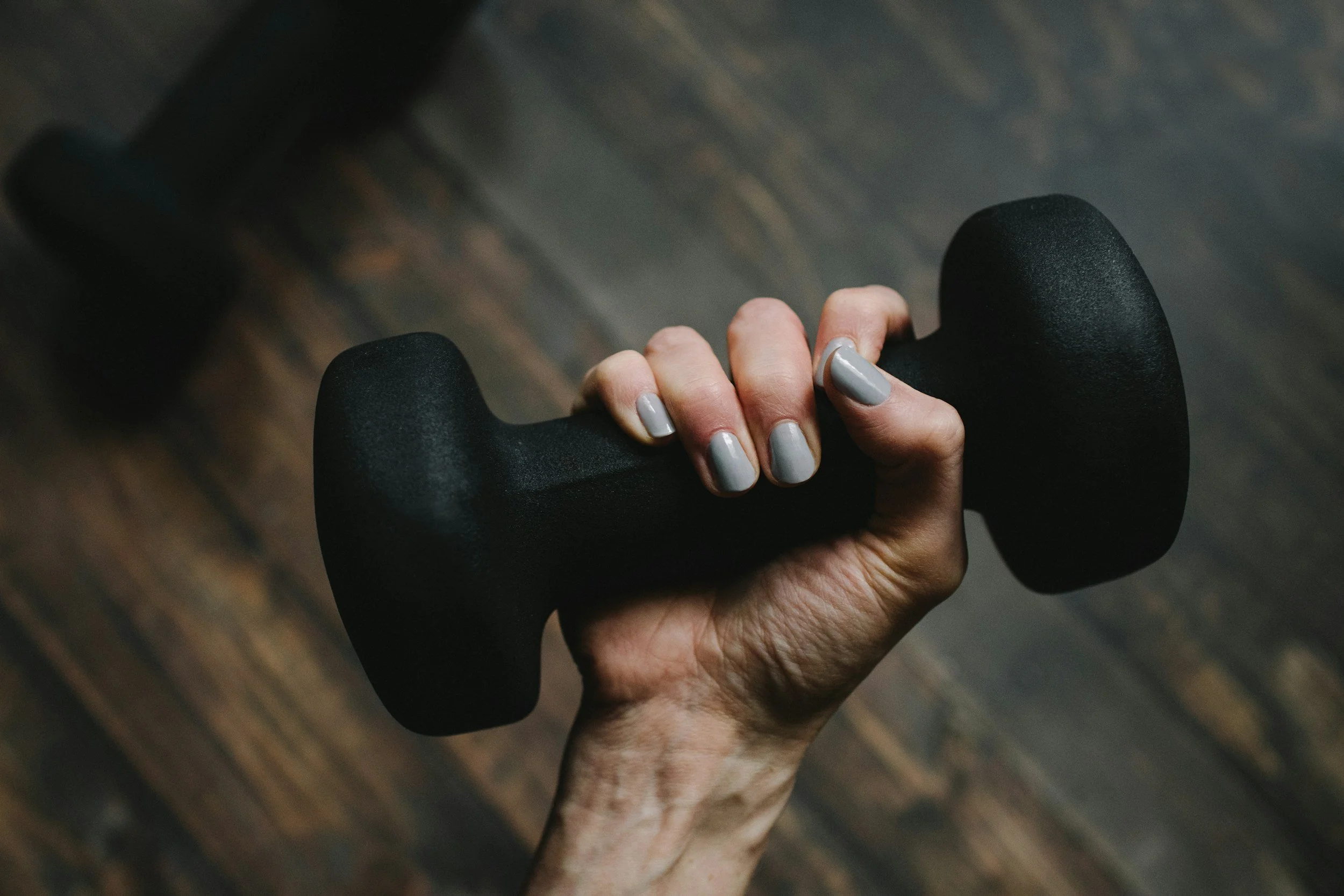
Dead Hangs: The ultimate test of endurance. Start with 20-second holds and gradually increase to 1-2 minutes.
Why it works: Strengthens the forearm flexors and improves tendon resilience.Farmer’s Carries: Strengthen your grip and core simultaneously by walking with heavy dumbbells.
Why it works: Builds functional grip strength and stabilises the shoulder joints.Wrist Curls and Extensions: Isolate the forearm muscles for balanced strength.
Why it works: Prevents muscle imbalances and overuse injuries.Resistance Band Finger Extensions: Don’t neglect your extensors—balance is key to preventing overuse injuries.
Why it works: Improves finger strength and reduces strain on flexor tendons.Rope Climbs: Aerialists’ favourite! Builds functional grip strength while mimicking real apparatus use.
Why it works: Enhances both grip strength and coordination.
Integrating Grip Training into Your Routine
Grip strength isn’t built overnight, it’s a gradual process that requires consistency and balance. Here’s how to incorporate it into your training:
Warm-Up: Start with dynamic stretches for your wrists and fingers to prepare your joints and muscles.
Progression: Add grip-specific exercises to your strength training sessions 2-3 times per week. Begin with lighter loads and shorter durations, and gradually increase.
Recovery: Prioritise rest and fascia care to prevent overuse injuries. Techniques like foam rolling, massage, and active recovery are essential for maintaining connective tissue health (Schleip et al., 2012).
Why It All Matters
Grip strength isn’t just a physical skill; it’s a gateway to confidence and freedom in your aerial practice. When your grip is strong, you can focus on refining your technique, exploring new moves, and truly enjoying the artistry of aerial. It’s not just about hanging on; it’s about hanging with intention, control, and grace.
As aerialists, we are constantly in the dance between gravity and grace. Strengthening your grip allows you to choreograph that dance with confidence, knowing your foundation is secure.
References
Haff, G. G., & Triplett, N. T. (2015). Essentials of Strength Training and Conditioning (4th ed.). Human Kinetics.
Schleip, R., Findley, T. W., Chaitow, L., & Huijing, P. A. (2012). Fascia: The Tensional Network of the Human Body. Elsevier Health Sciences.
Blazquez, M. I. (2017). The Athlete’s Guide to Recovery: Rest, Relax, and Restore for Peak Performance.
Ready to take your aerial training to new heights?
The Aerial Performance Lab (APL) is your ultimate training hub, designed specifically for aerialists who want to train smarter, build sustainable strength, and improve flexibility. Whether you're a beginner or advanced, APL offers everything you need to elevate your practice.
💥 Join today for just £27.99/month and get access to:
Expert-designed training programmes tailored to aerial arts
Unlimited live and on-demand classes
Personalised coaching, Q&As, and a supportive community