
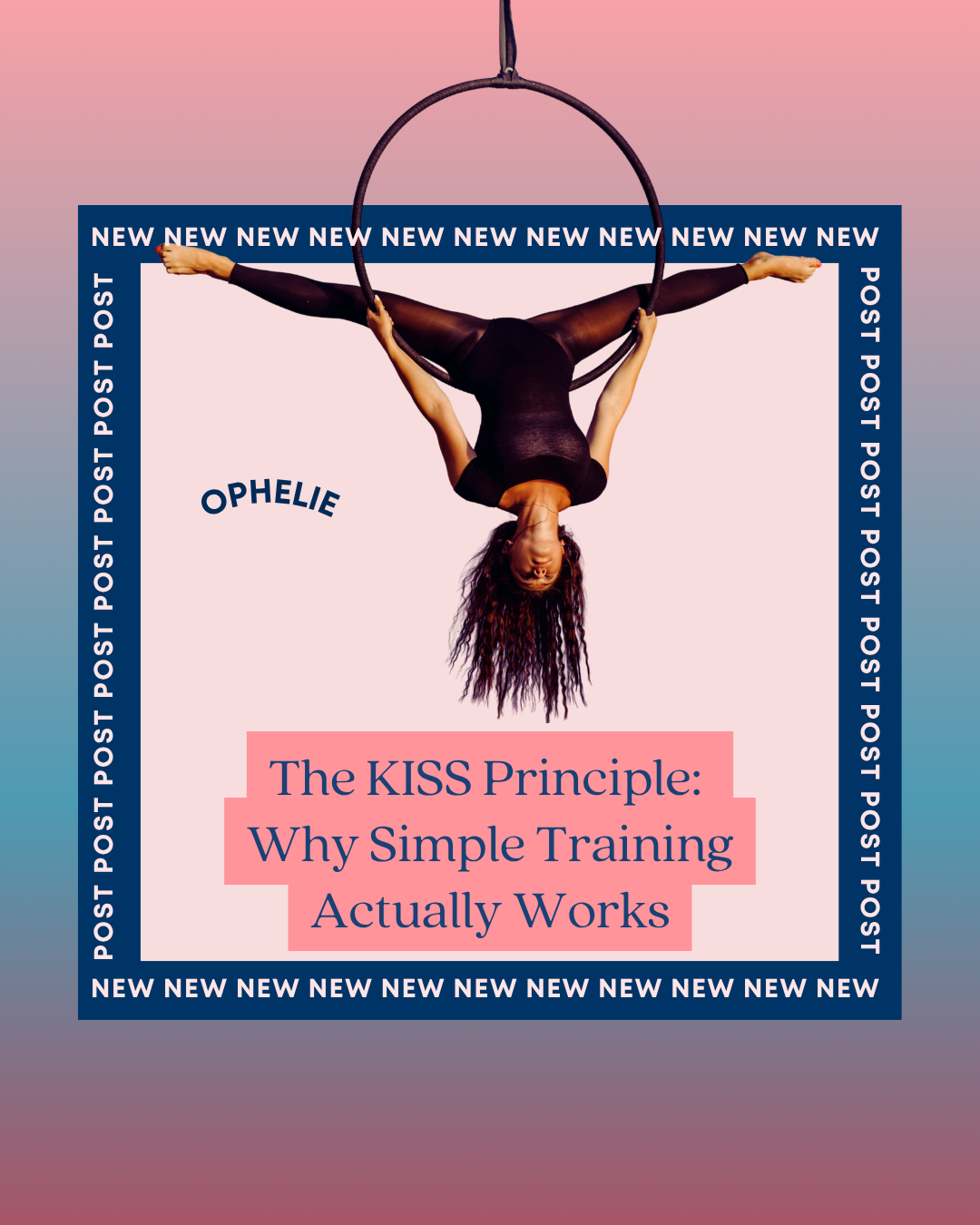
The KISS Principle: Why Simple Training Actually Works
Complexity is often mistaken for effectiveness. Here's why a simple, consistent approach to cross-training holds up better than an elaborate one, especially for aerialists balancing training against a full life.
What Members Are Saying: Progress Without the Overwhelm
What Fitfrenchkiss members are actually saying about training that fits real, busy lives, no elite-athlete complexity required.
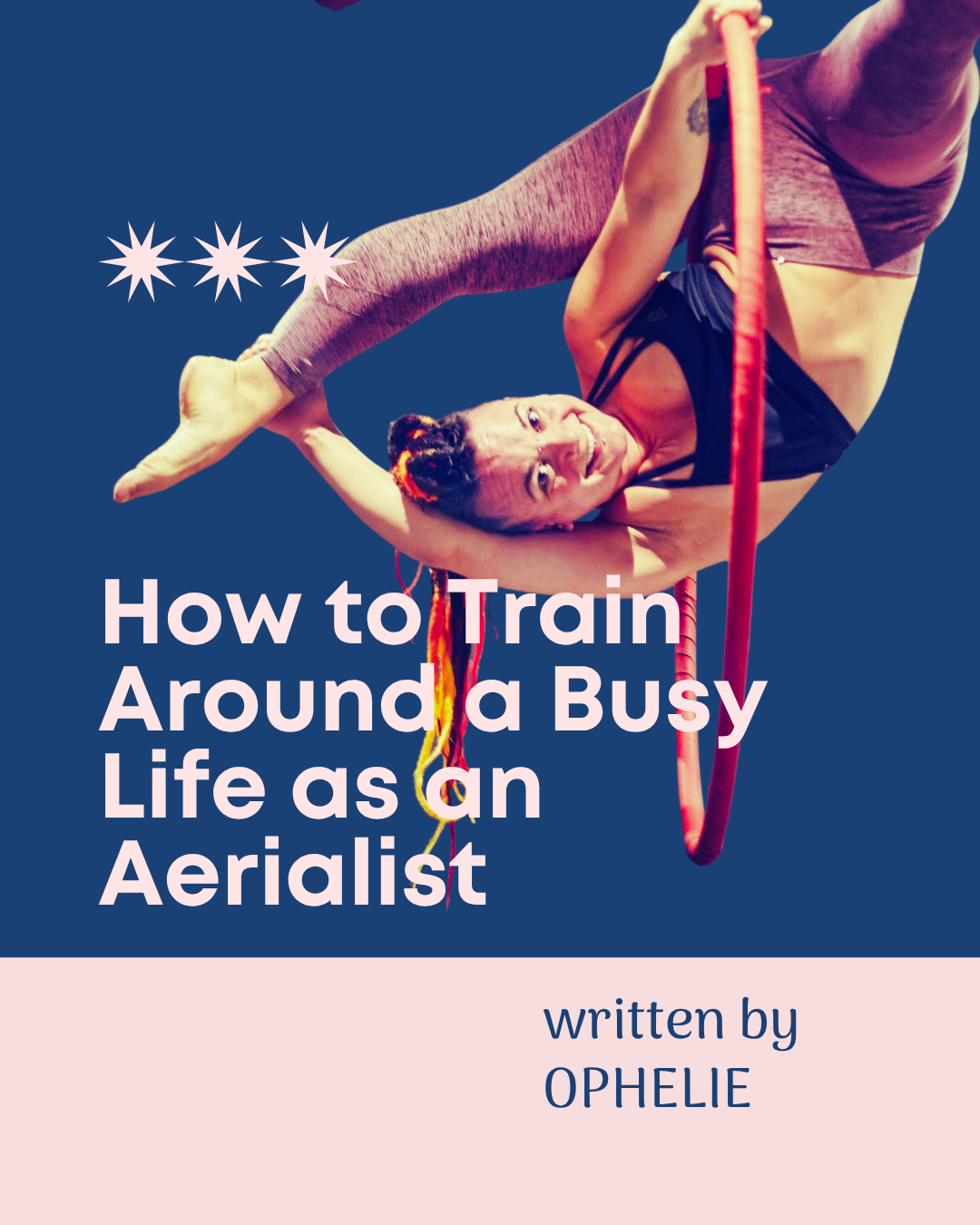
Training Around a Full Life, Not Despite It
You don't need more hours, you need a plan built for the life you actually have. Practical structure for busy aerialists.
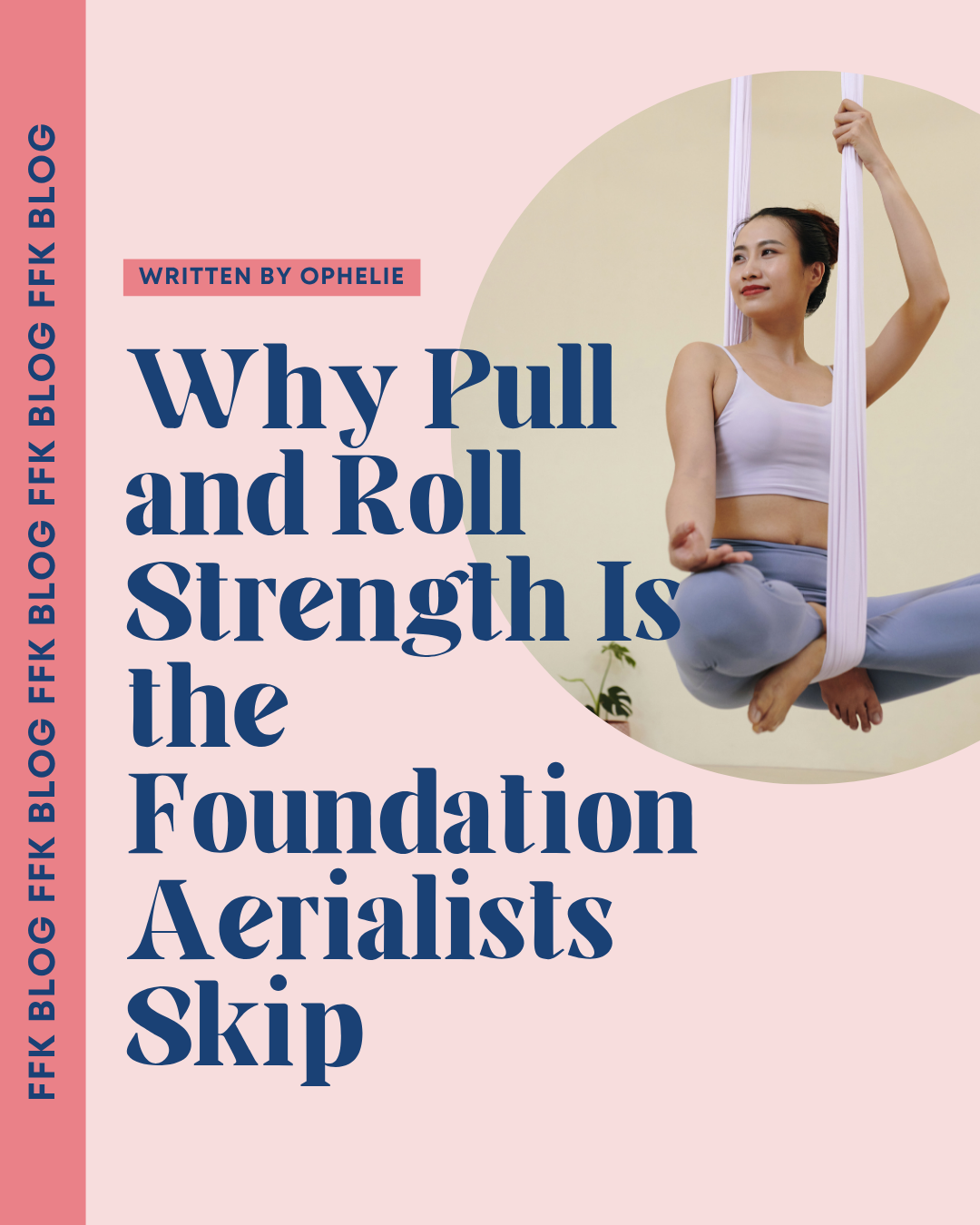
Why Pull and Roll Strength Is the Foundation Aerialists Skip
Pull and roll strength sits underneath nearly every aerial skill you care about, yet it is the category most intermediate aerialists quietly skip. Here is why that hierarchy needs flipping.
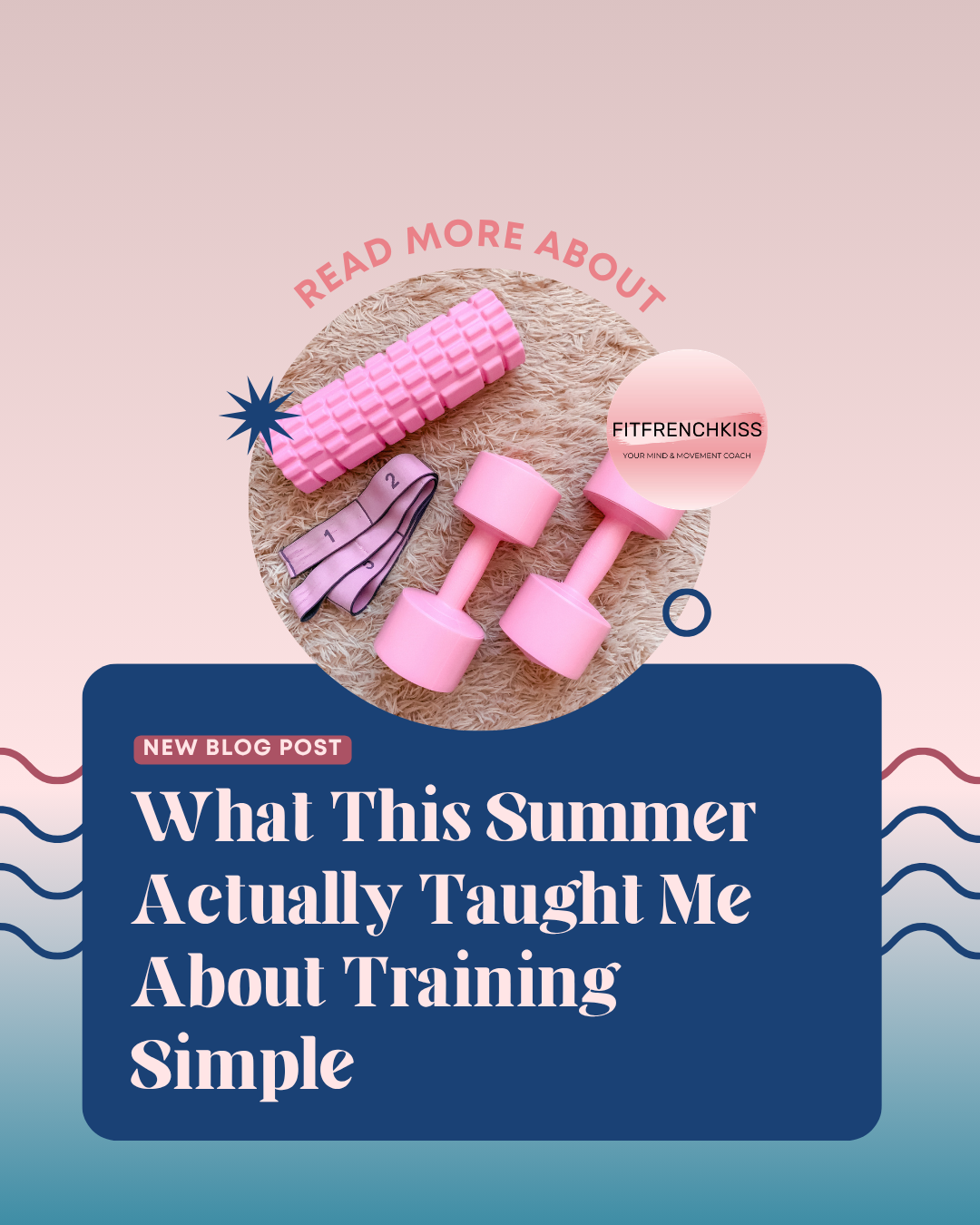
What This Summer Actually Taught Me About Training Simple
This summer I went home to care for my mum with no rig, no studio, and one second-hand Pilates bar. Here is what that quiet season taught me about training simple.

The Most Honest Answers I Can Give You About Rolls, Up and Overs, and What Actually Makes Them Click
Progress on rolls and up and overs is not mysterious. This post gives you the honest answers: why these skills feel so hard, what actually changes first when you train with awareness, and what six weeks of deliberate conditioning leaves you with. Including the part I do not always say out loud.
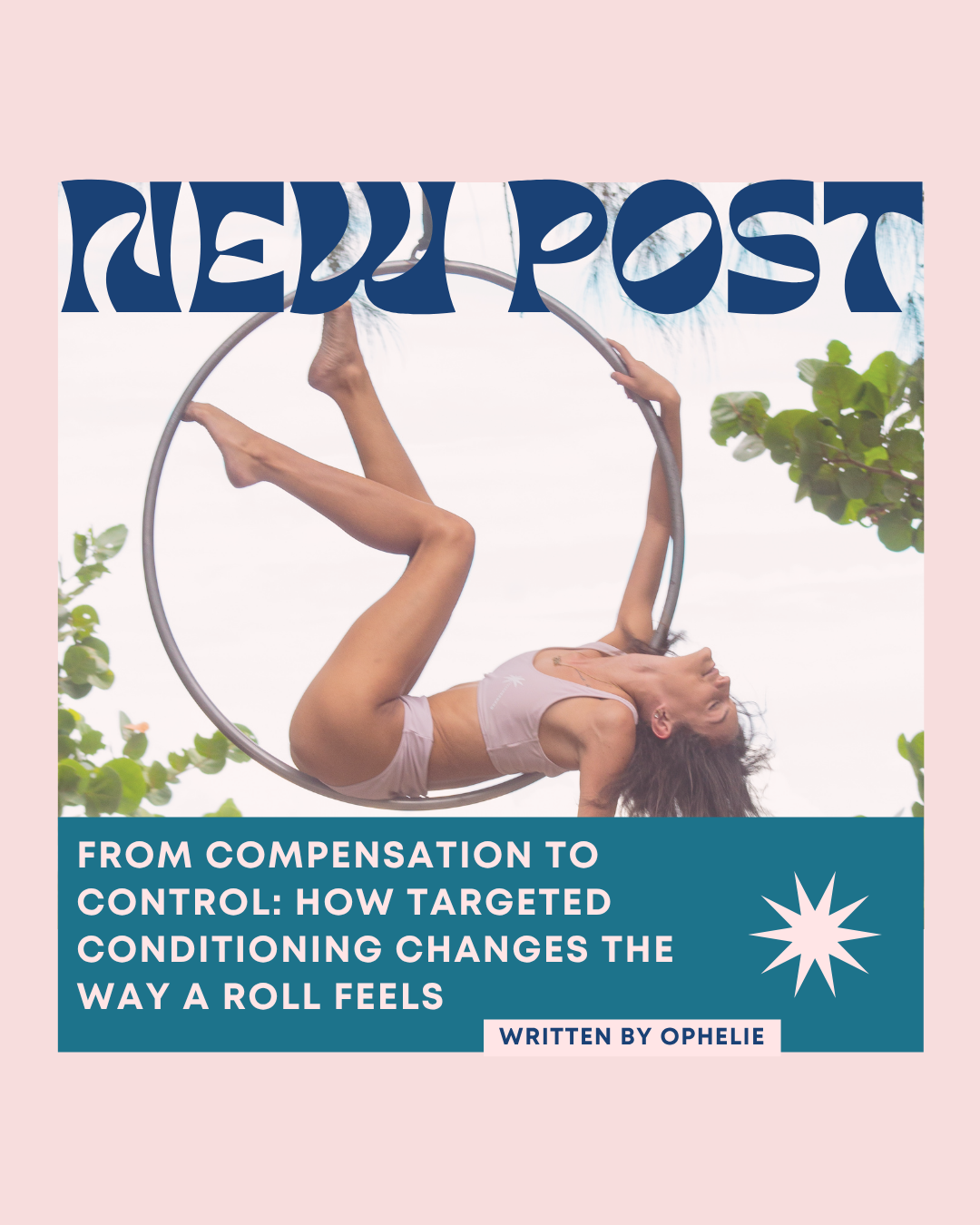
From Compensation to Control: How Targeted Conditioning Changes the Way a Roll Feels
Six weeks is not too short to make a real difference, when the programme is built around the specific mechanics your skills actually require. Neural adaptations begin within the first two to three weeks of a new training stimulus. What changes first is not the skill itself. It is how the movement feels. Here is what the research says, and what students actually notice.
Why Drilling Your Russian Climb Over and Over Is Not Making It Better
Repeating a skill you cannot yet execute cleanly does not build it. It builds a more efficient version of the error. This post explains the neuroscience of compensation patterns, why short-arm and long-arm pulling are not the same thing, and what structured component training actually looks like for rolls and up and overs.
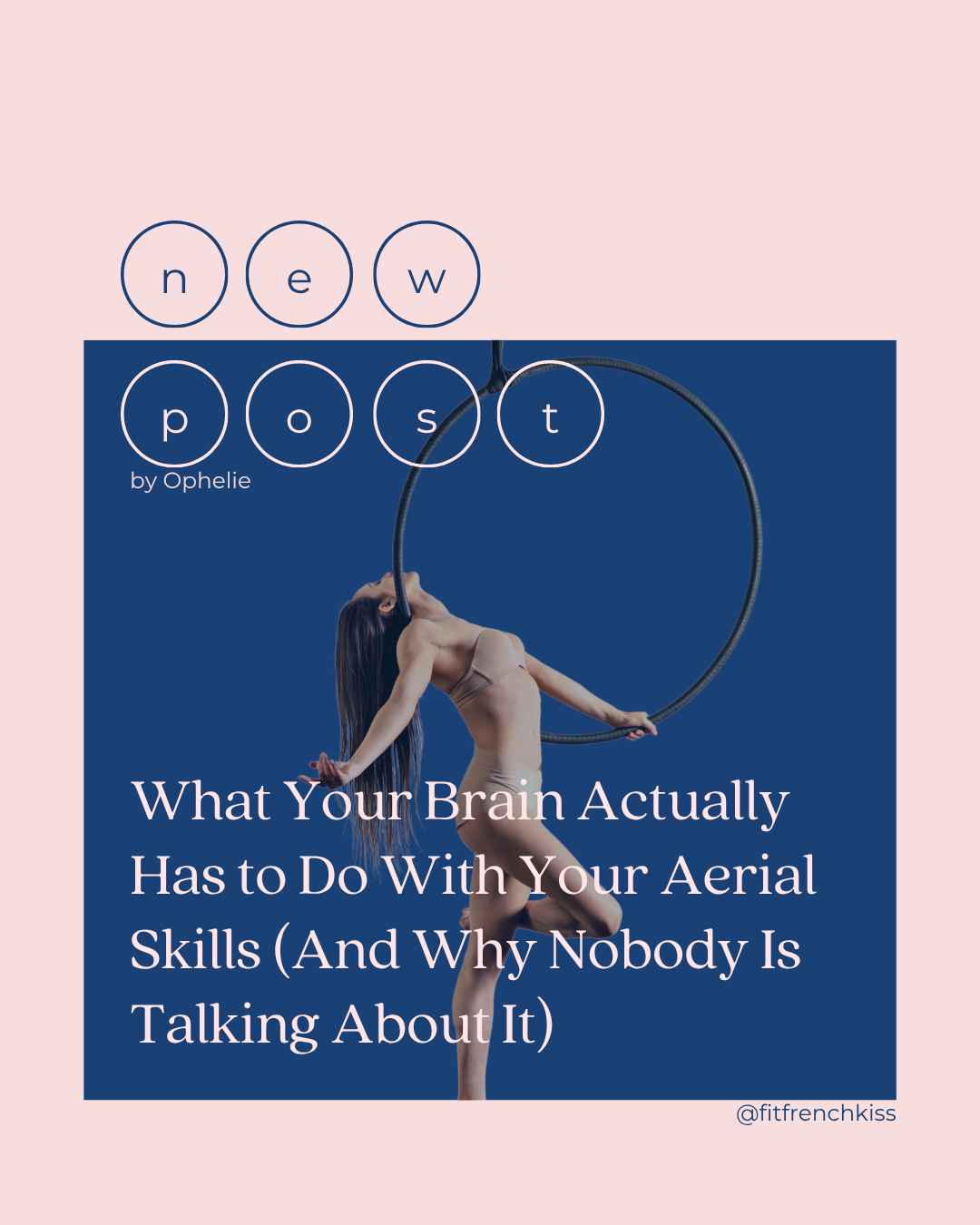
What Your Brain Actually Has to Do With Your Aerial Skills (And Why Nobody Is Talking About It)
Most aerialists operate on a simple model: train more, get stronger, get the skill. But the nervous system does not work that way. Understanding what proprioception actually is, how motor learning differs from repetition, and why slowing down produces faster results than grinding volume changes everything about how you approach the apparatus.

Why Rest Is Not A Mental Health Strategy. It Is A Training One.
Rest is not a mental health strategy. It is a physiological requirement for adaptation. When you remove it, your body and brain pay the price in ways that are measurable, documented, and directly relevant to your aerial training. Understanding what actually happens when you do not recover enough reframes rest not as a concession to limitation, but as a non-negotiable component of intelligent training. And for aerialists navigating perimenopause, the stakes are even higher than most people realise.

The Difference Between Training Through It And Training Because Of It
There is a version of dedication that looks identical from the outside but functions very differently on the inside. Research on circus artists shows that aerialists carry both exceptional resilience and elevated psychological risk. I know this not only from the research, but from my own return to training after years away. Learning to tell the difference between training that builds you and training that depletes you may be the most important skill in your practice.
How to Keep Your Aerial Training on Track Over Summer (Without Guilt)
Every year around this time, aerialists start asking the same question: what if I lose everything I have worked for? Before we get into how to stay active over summer, I want to make the case for something that might surprise you. Sometimes, the best thing you can do for your aerial training is absolutely nothing at all. Here is the science behind why rest works, and five practical ways to stay connected to your training when you do want to move.

What Aerial Training Actually Does To Your Brain (And Why That Matters More Than You Think)
Every aerialist has experienced it. You walk into the studio carrying the weight of the day and somewhere between the warm-up and the first climb, the mental noise goes quiet. Not because you decided to stop thinking. Because your brain simply did not have the bandwidth for anything else. What is actually happening is neurological, specific, and backed by research. Aerial training does not just distract your brain. It actively trains the internal awareness systems that underpin emotional regulation, stress response, and psychological wellbeing.
I Disappeared From Online and Social Media for a Month. Here Is What Actually Happened
I went silent on social media for a month. Not to rest. I kept working, training, and building. Here is what actually changed.

Why Your Straight Arm Invert Feels Harder Than It Should (And How to Fix It)
Many aerialists believe their straight arm invert feels difficult because they are not strong enough. In reality, most struggles come from how the body is organised, not how hard it works. This article breaks down the real reasons straight arm inverts feel heavy, what effective cross-training actually looks like, and how to approach this foundational skill more intelligently for sustainable progress,
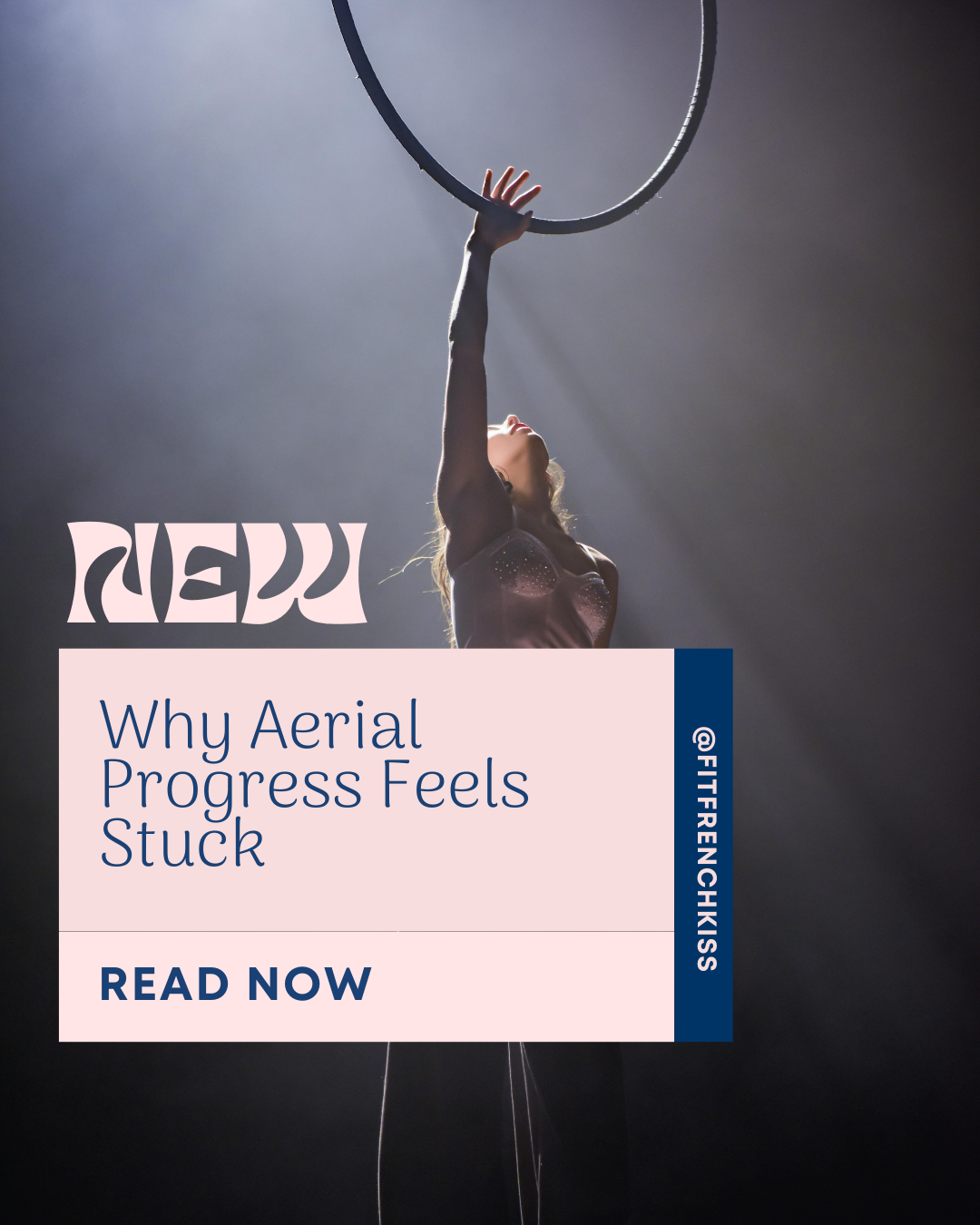
Why So Many Aerialists Feel Stuck (Even When They Train Consistently)
Aerial training has never been more visible, more accessible, or more rushed. As circus skills move further into mainstream fitness spaces, foundational training is quietly disappearing—and it's affecting how aerialists progress, recover, and sustain their practice long-term. This post explores why slowing down skill acquisition is not a step backwards, but the key to safer, stronger, and more sustainable progress in aerial arts.
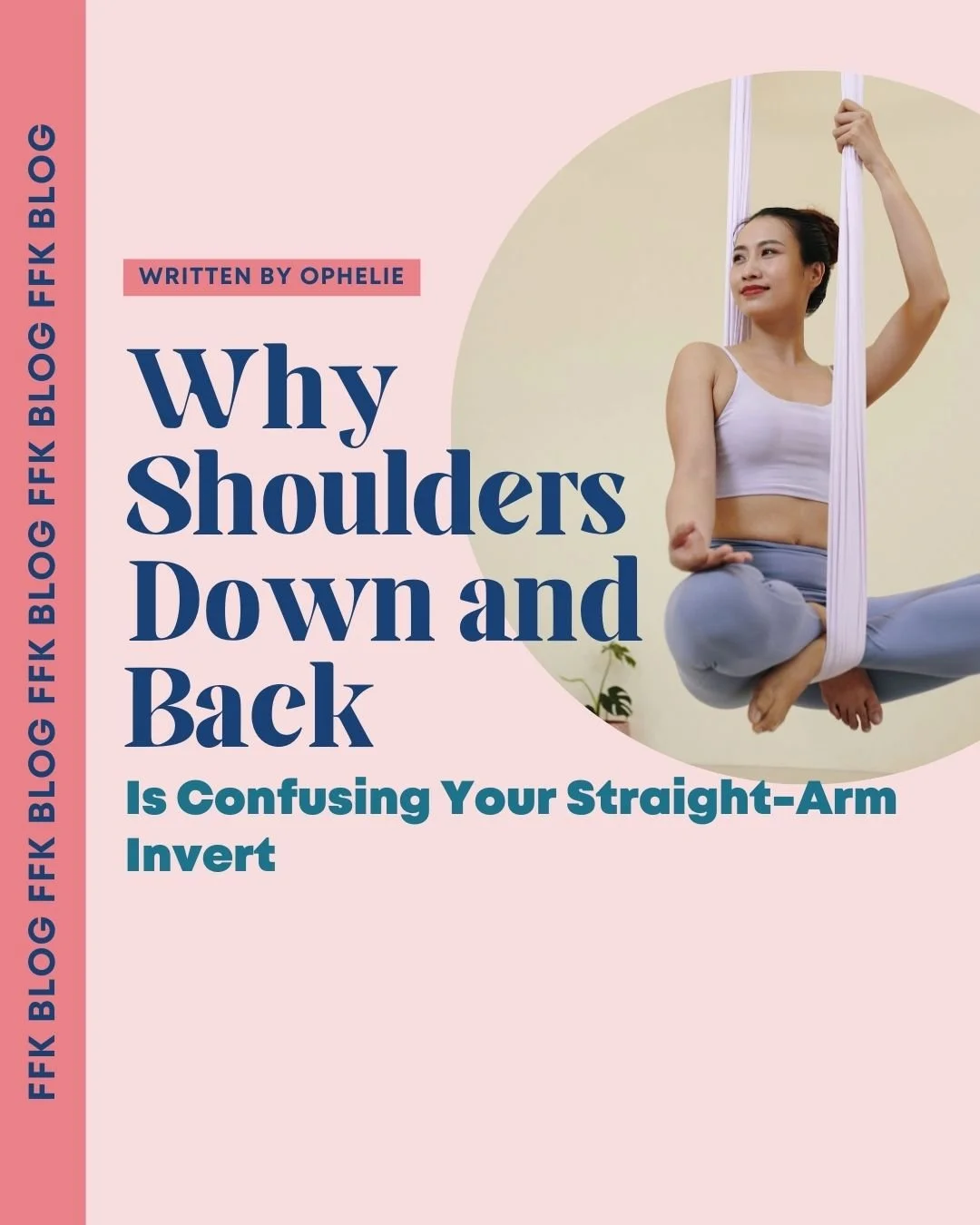
Why "Shoulders Down and Back" Is Confusing Your Straight-Arm Invert
Struggling with straight-arm inverts is rarely about strength alone. This article explains why oversimplified cues like "shoulders down and back" create fatigue and confusion, and how understanding shoulder girdle organisation helps aerialists build safer, more sustainable straight-arm strength.
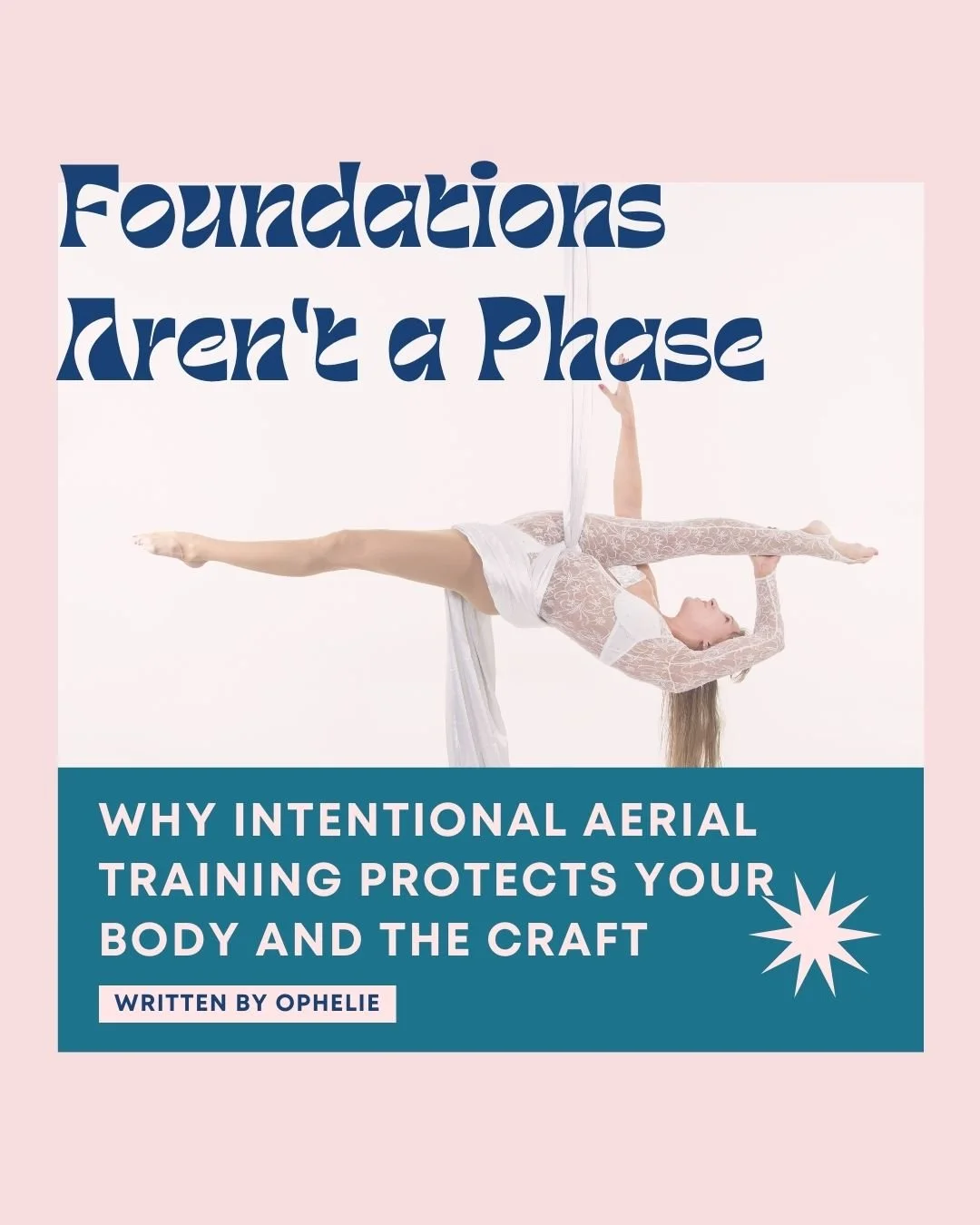
Foundations Aren't a Phase: Why Intentional Aerial Training Protects Your Body and the Craft
Foundations in aerial training aren't something you grow out of. They protect your body, your confidence, and your long-term practice. This article explores why intentional aerial training matters, how rushing foundations shows up later as injury or plateaus, and why respecting the craft starts with how you train.
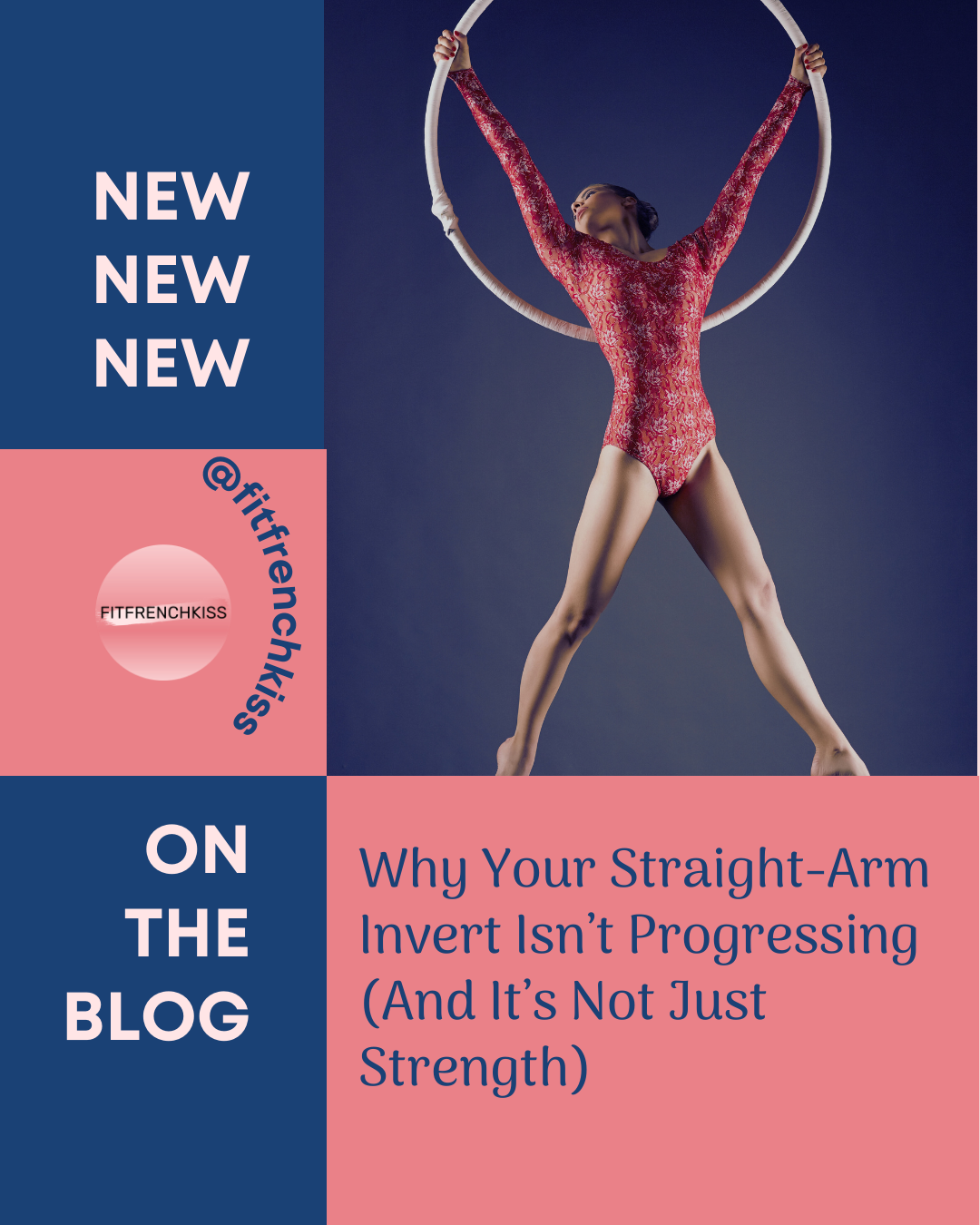
Why Your Straight-Arm Invert Isn’t Progressing (And It’s Not Just Strength)
If your straight-arm invert is not progressing, strength is rarely the only issue. Missing hip flexion, pelvic control, and coordination often explain stalled aerial progress.
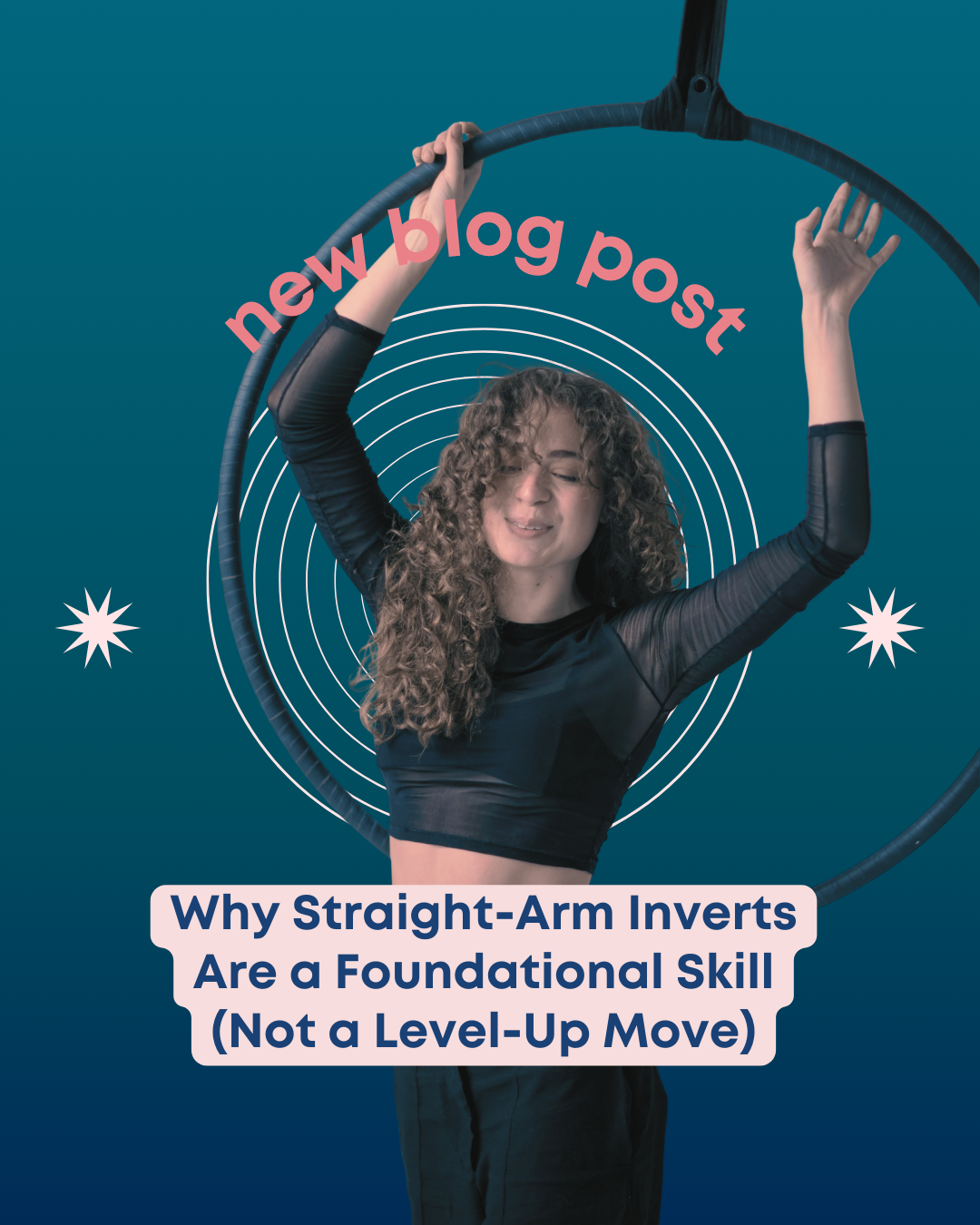
Why Straight-Arm Inverts Are a Foundational Skill (Not a Level-Up Move)
Straight-arm inverts are often treated as a milestone, but they are actually a foundational learning tool. Understanding their role early supports safer, stronger, and more sustainable aerial progress.