

The Difference Between Training Through It And Training Because Of It
There is a version of dedication that looks identical from the outside but functions very differently on the inside. Research on circus artists shows that aerialists carry both exceptional resilience and elevated psychological risk. I know this not only from the research, but from my own return to training after years away. Learning to tell the difference between training that builds you and training that depletes you may be the most important skill in your practice.
How to Keep Your Aerial Training on Track Over Summer (Without Guilt)
Every year around this time, aerialists start asking the same question: what if I lose everything I have worked for? Before we get into how to stay active over summer, I want to make the case for something that might surprise you. Sometimes, the best thing you can do for your aerial training is absolutely nothing at all. Here is the science behind why rest works, and five practical ways to stay connected to your training when you do want to move.

What Aerial Training Actually Does To Your Brain (And Why That Matters More Than You Think)
Every aerialist has experienced it. You walk into the studio carrying the weight of the day and somewhere between the warm-up and the first climb, the mental noise goes quiet. Not because you decided to stop thinking. Because your brain simply did not have the bandwidth for anything else. What is actually happening is neurological, specific, and backed by research. Aerial training does not just distract your brain. It actively trains the internal awareness systems that underpin emotional regulation, stress response, and psychological wellbeing.
I Disappeared From Online and Social Media for a Month. Here Is What Actually Happened
I went silent on social media for a month. Not to rest. I kept working, training, and building. Here is what actually changed.

Why Your Straight Arm Invert Feels Harder Than It Should (And How to Fix It)
Many aerialists believe their straight arm invert feels difficult because they are not strong enough. In reality, most struggles come from how the body is organised, not how hard it works. This article breaks down the real reasons straight arm inverts feel heavy, what effective cross-training actually looks like, and how to approach this foundational skill more intelligently for sustainable progress,
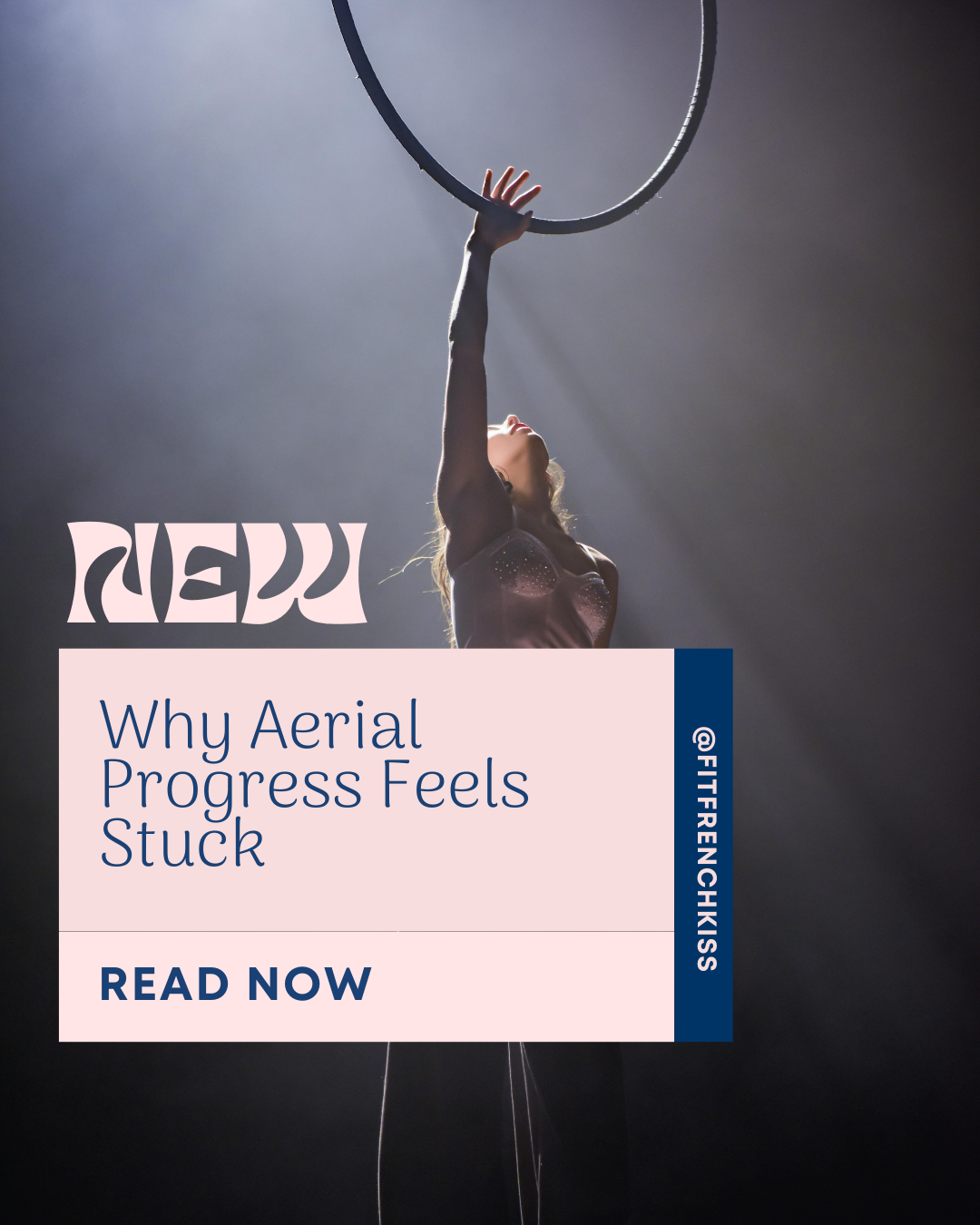
Why So Many Aerialists Feel Stuck (Even When They Train Consistently)
Aerial training has never been more visible, more accessible, or more rushed. As circus skills move further into mainstream fitness spaces, foundational training is quietly disappearing—and it's affecting how aerialists progress, recover, and sustain their practice long-term. This post explores why slowing down skill acquisition is not a step backwards, but the key to safer, stronger, and more sustainable progress in aerial arts.
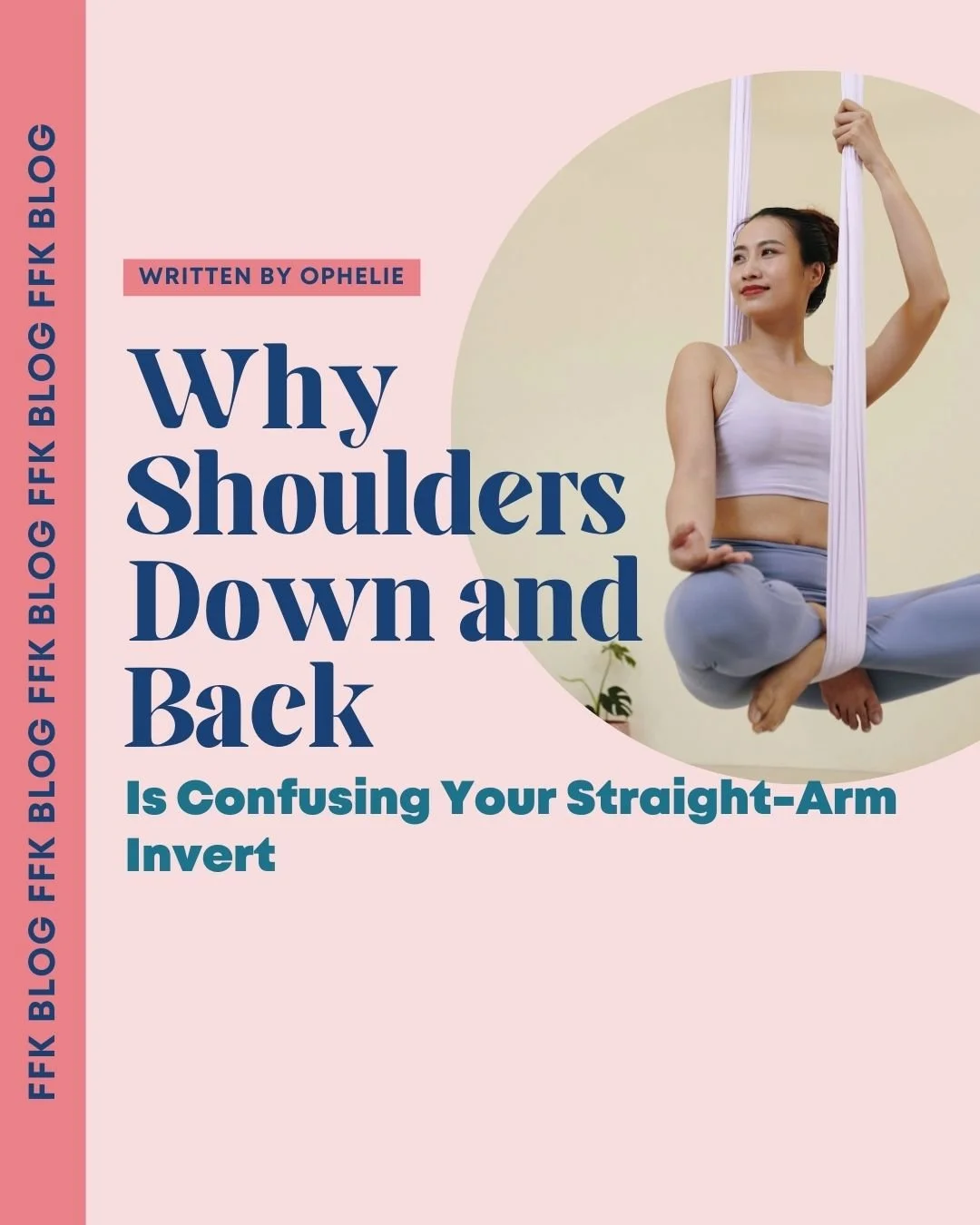
Why "Shoulders Down and Back" Is Confusing Your Straight-Arm Invert
Struggling with straight-arm inverts is rarely about strength alone. This article explains why oversimplified cues like "shoulders down and back" create fatigue and confusion, and how understanding shoulder girdle organisation helps aerialists build safer, more sustainable straight-arm strength.
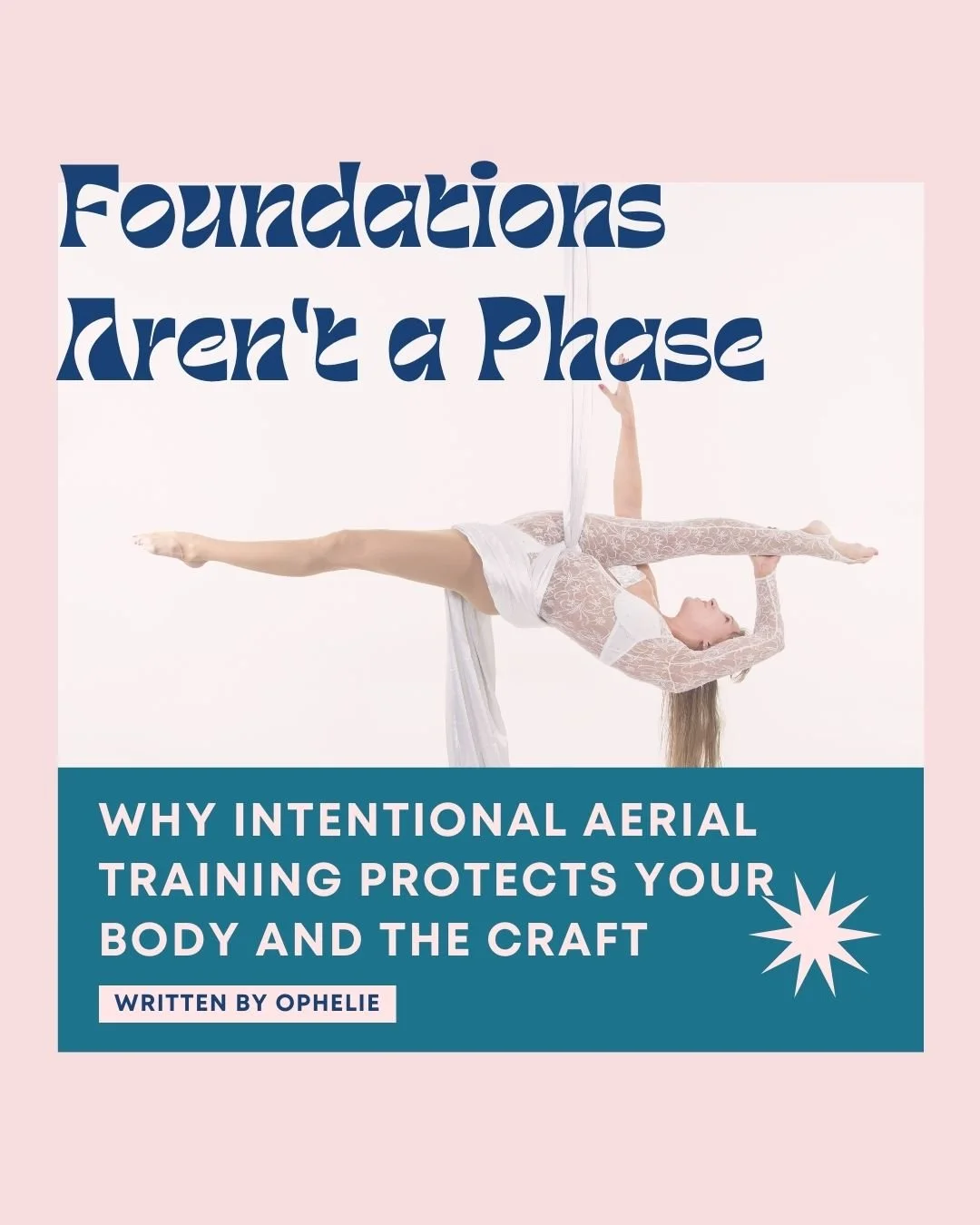
Foundations Aren't a Phase: Why Intentional Aerial Training Protects Your Body and the Craft
Foundations in aerial training aren't something you grow out of. They protect your body, your confidence, and your long-term practice. This article explores why intentional aerial training matters, how rushing foundations shows up later as injury or plateaus, and why respecting the craft starts with how you train.
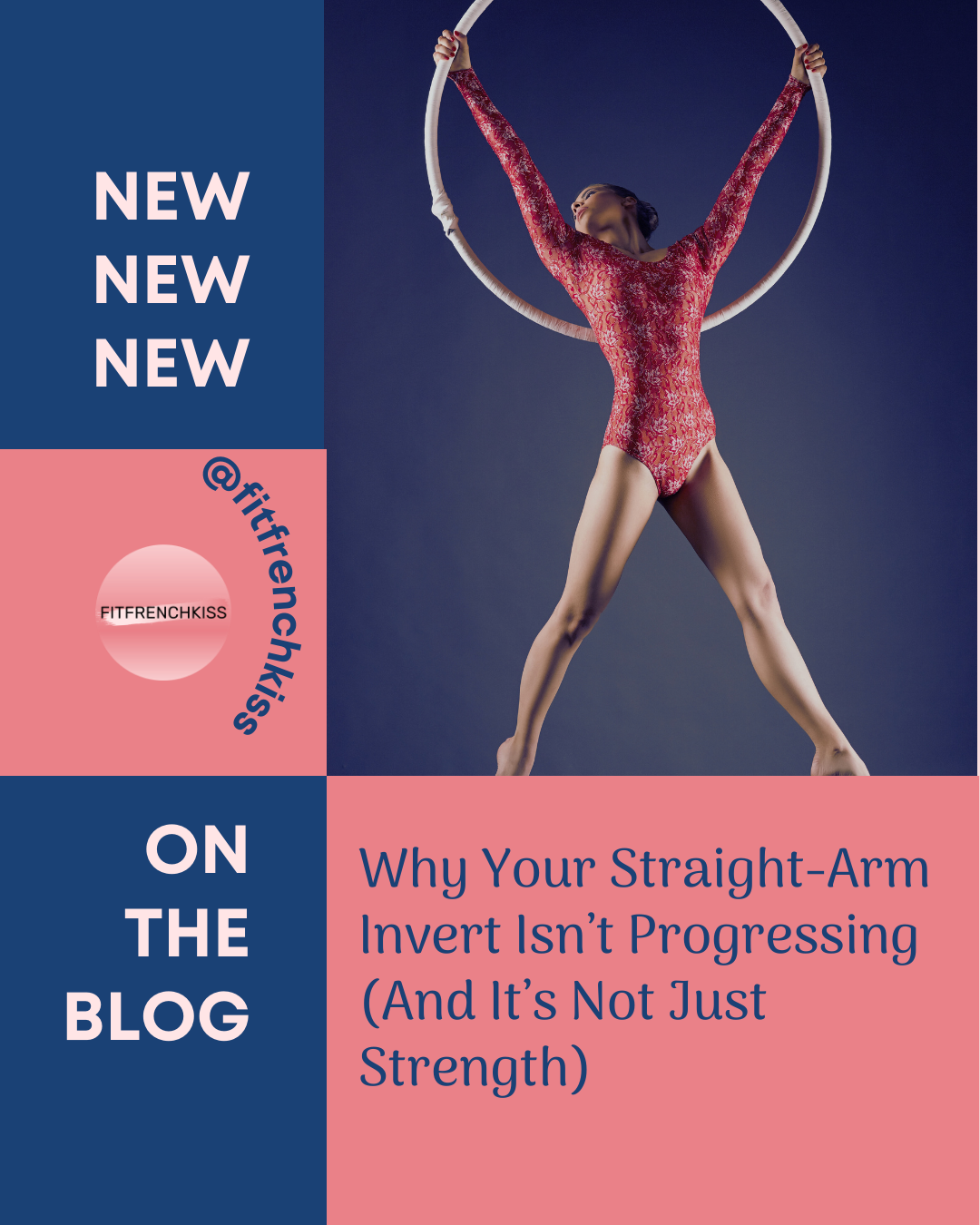
Why Your Straight-Arm Invert Isn’t Progressing (And It’s Not Just Strength)
If your straight-arm invert is not progressing, strength is rarely the only issue. Missing hip flexion, pelvic control, and coordination often explain stalled aerial progress.
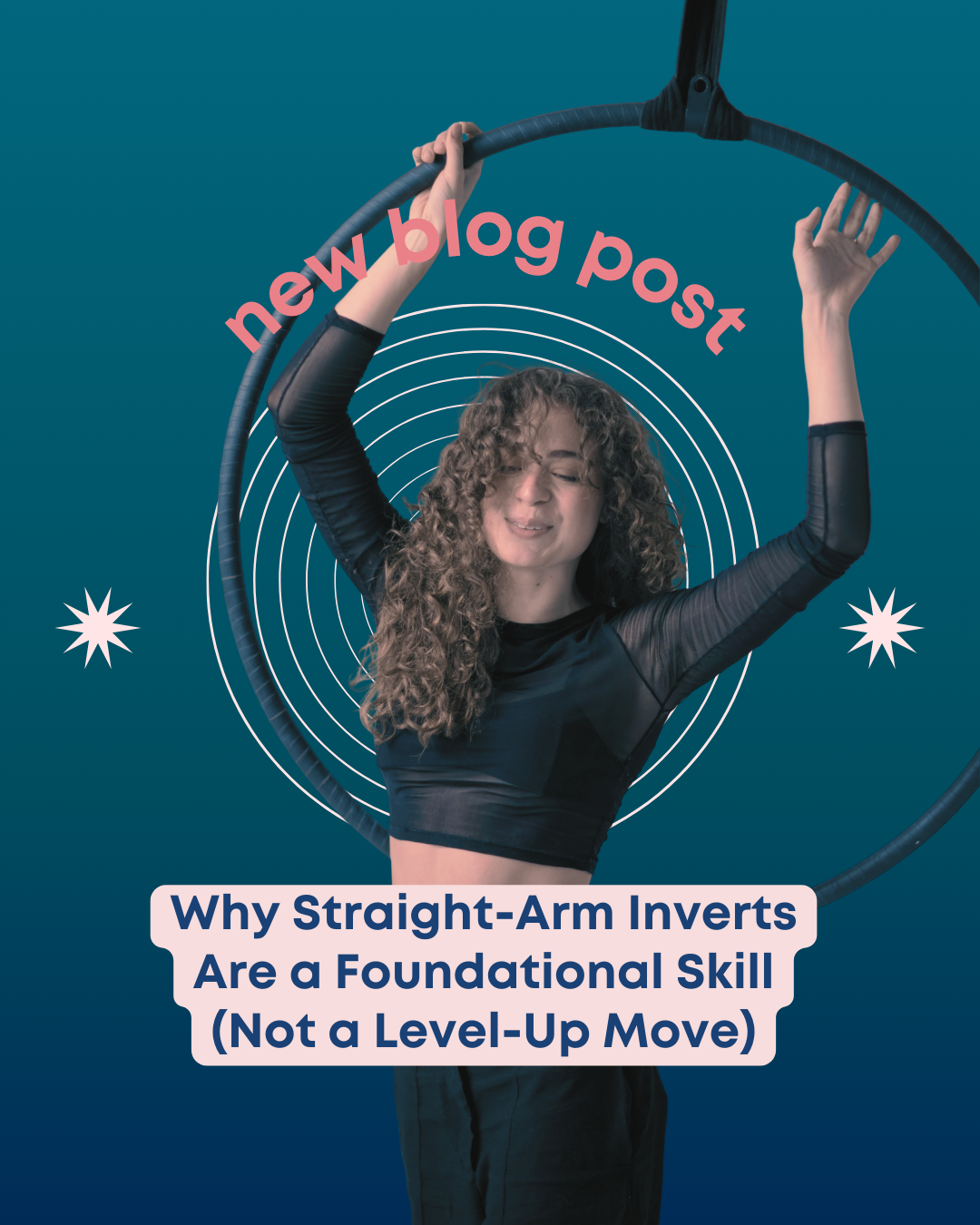
Why Straight-Arm Inverts Are a Foundational Skill (Not a Level-Up Move)
Straight-arm inverts are often treated as a milestone, but they are actually a foundational learning tool. Understanding their role early supports safer, stronger, and more sustainable aerial progress.
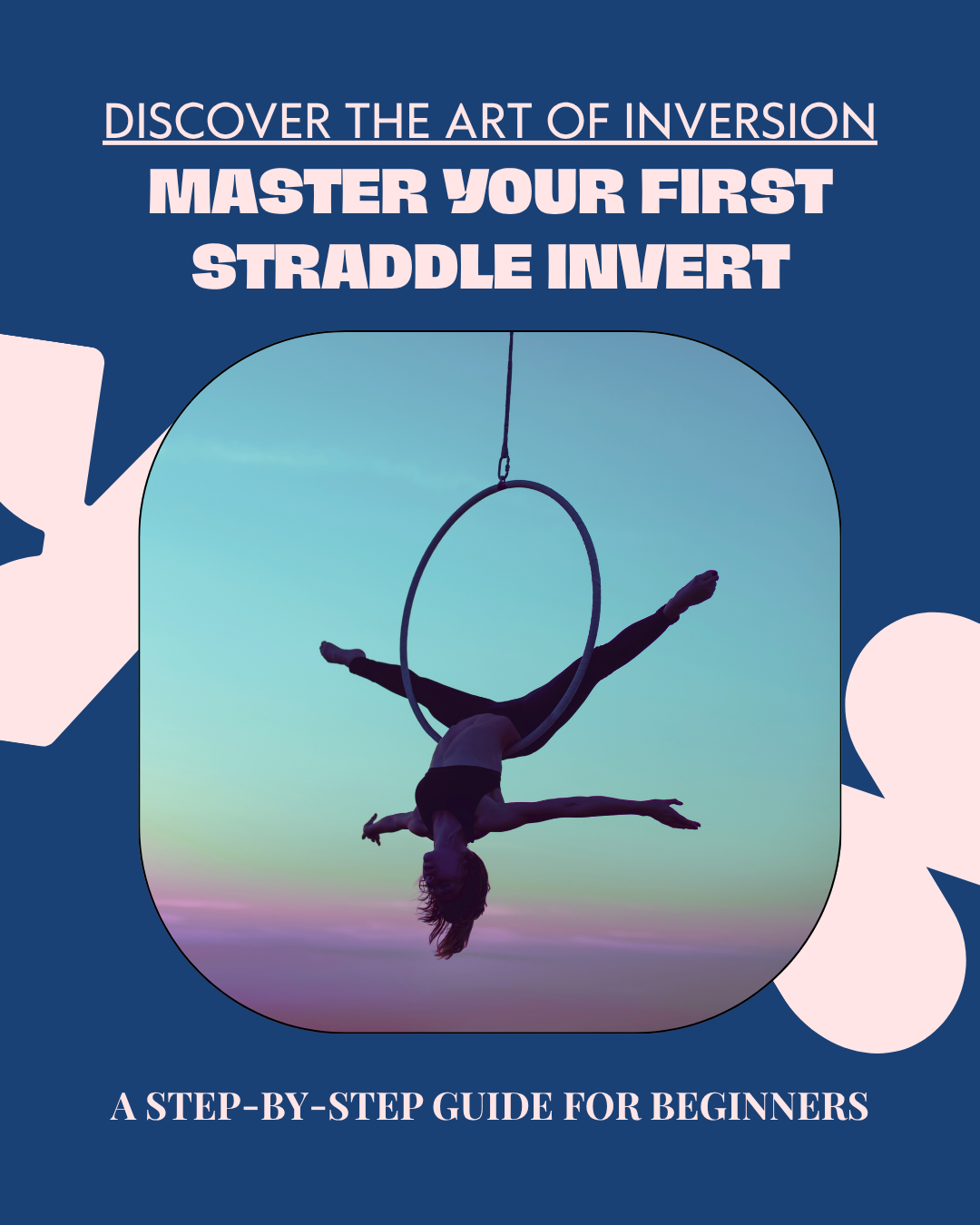
How to Master Your First Straddle Invert in 5 Steps (Beginner Aerial Guide)
Struggling with your straddle invert? Here's my 5-step process to help you build strength, flexibility, and confidence so you can master your first invert without more plateaus or frustration.
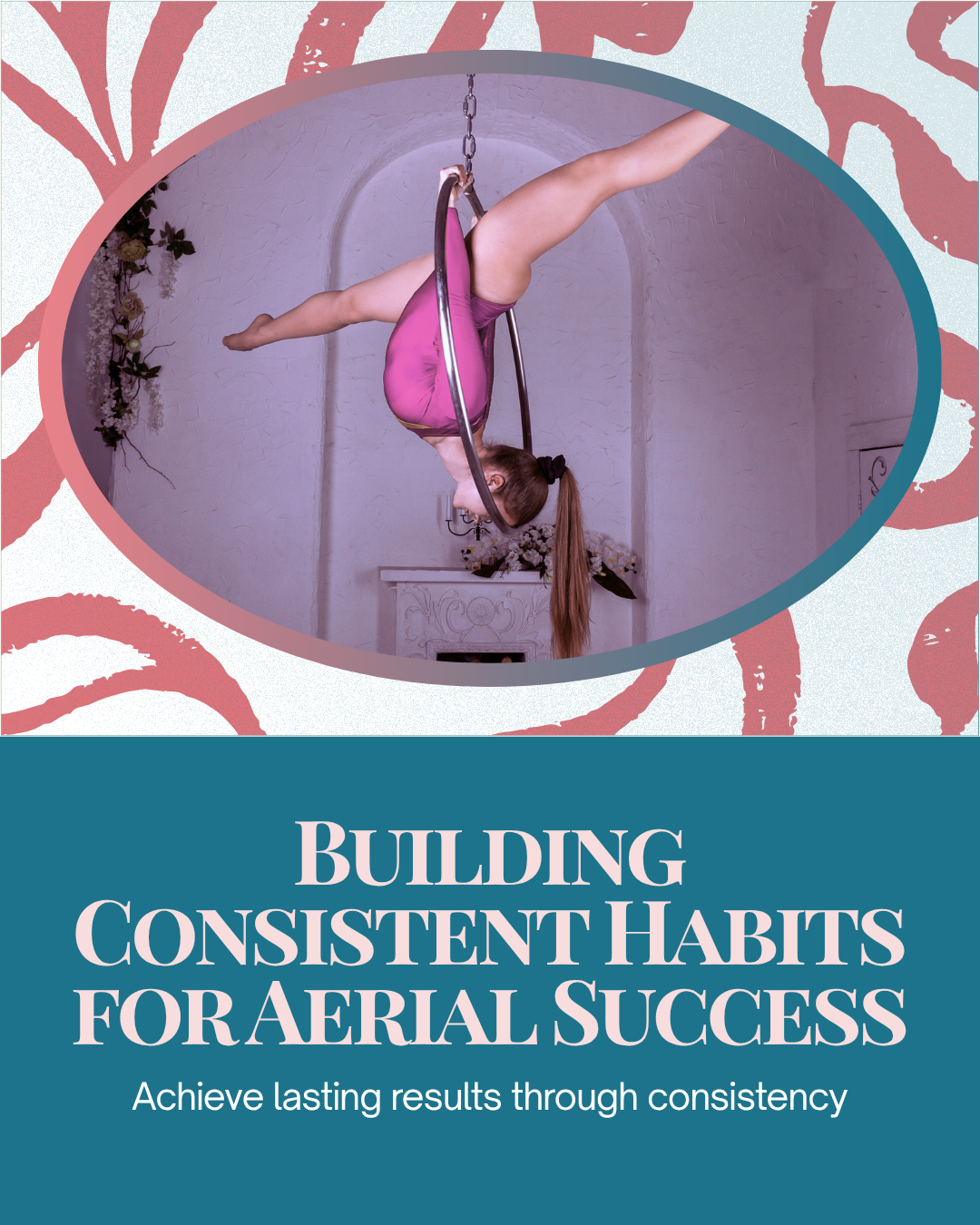
Building Consistent Habits for Long-Term Aerial Success
Discover how to build sustainable habits that transform your aerial practice. Learn science-backed strategies for periodization, cross-training, community support, and motivation to achieve long-term success in aerial training while preventing burnout and injury.
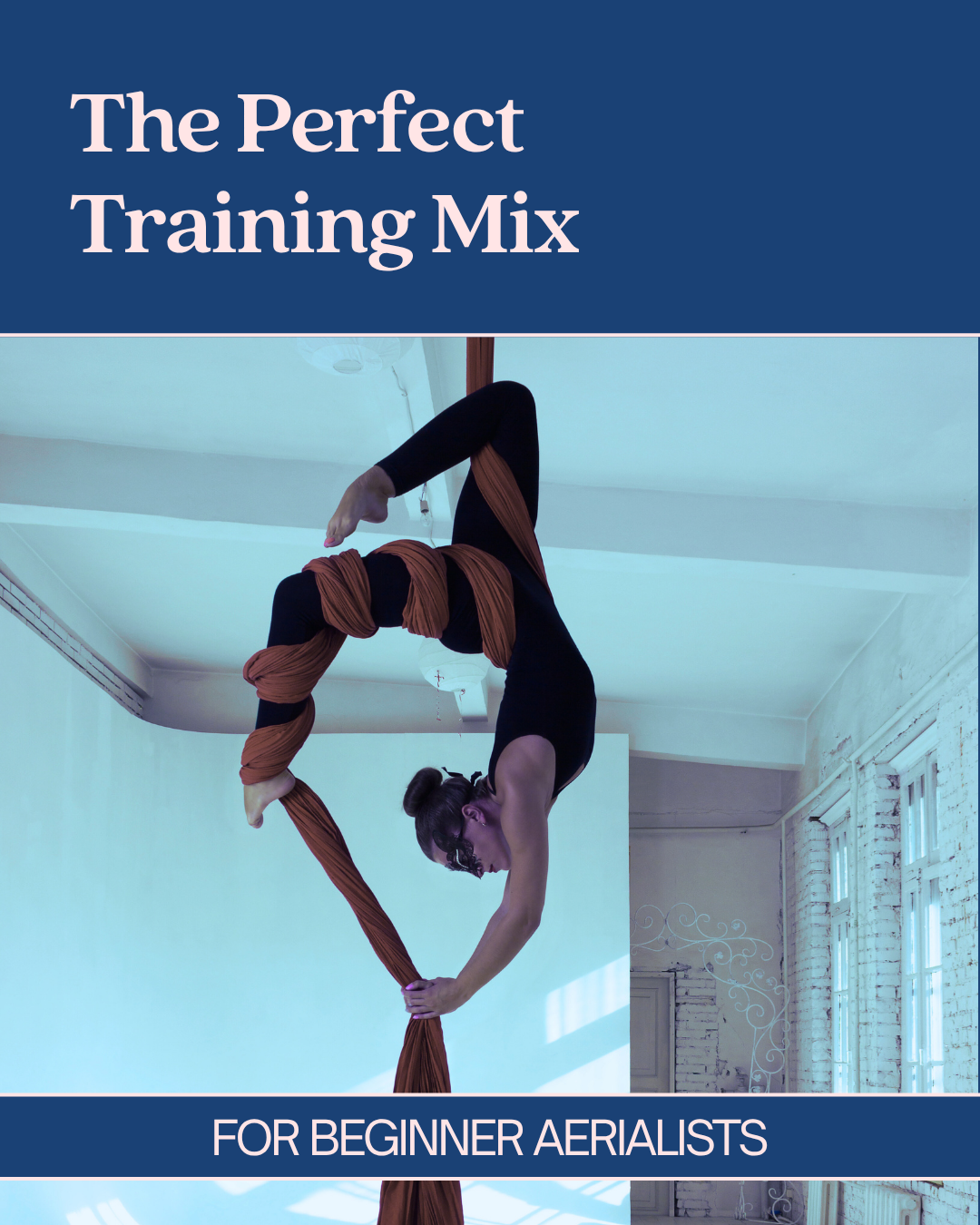
The Perfect Training Mix for Aerial Beginners
Feeling stuck or overwhelmed by aerial training advice? Here’s how to build the perfect, sustainable mix of strength, flexibility, and skill work—so you can progress confidently and enjoy every step of your aerial journey.

Neuroscience Meets Aerial: How to Set Smarter, Sustainable Goals
Unlock your full potential in aerial arts by combining neuroscience and mindfulness. Learn how expert goal-setting strategies can elevate your performance, build resilience, and create lasting progress—on and off the apparatus.

Grip Like a Pro: Unlocking the Science of Aerial Strength
Discover the science behind grip strength and why it’s essential for aerialists. Learn practical exercises and training strategies to improve grip endurance, control, and performance in your aerial practice.

Progressive Overload for Aerialists: How to Safely Increase Strength and Skills
Discover how to safely apply progressive overload in aerial training to build strength, improve skills, and prevent injuries. A step-by-step guide for sustainable progress.

Cross-Training for Aerialists: Enhancing Skills Without Overloading Your Schedule
Cross-training is a game-changer for aerialists, offering improved strength, flexibility, and injury prevention. Learn how to integrate smarter training methods into your routine while keeping it fun and sustainable.

How to Train Through Injury: A Guide to Recovering Smart and Strong
Injury recovery doesn’t mean stopping your fitness journey, It’s about training smarter. This guide shares practical tips for modifying your workouts, improving mobility, strengthening key muscles, and fostering mental resilience, ensuring a strong and mindful return to your practice.

Surviving PMS & Periods in the Air: A Mini Potato Guide for Aerialists
Feeling like a potato during your period and still training aerial? You’re not alone. This guide breaks down what’s happening in your body during your luteal and menstrual phases, why it affects aerial training, and how to adapt with grace, humour, and zero guilt. Whether you're defying gravity or lying on the floor with snacks—you’re still an aerialist.

Aerial Training for Every Body: Celebrate Your Unique Strengths and Challenges
In this guide, we break down the three primary body types—ectomorphs, mesomorphs, and endomorphs—and share actionable tips to help you train smarter, not harder. Plus, take our Body Type Quiz to uncover your unique profile and get personalized training advice!
Aerial arts are a breathtaking blend of strength, flexibility, and creativity. But did you know your body type plays a key role in how you train and progress? Whether you’re naturally lean, muscular, or powerful, understanding your biomechanics can help you tailor your practice for optimal results.